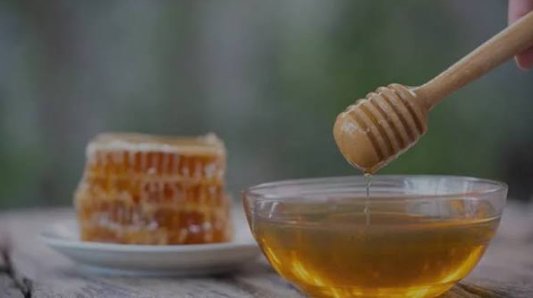
Florida tupelo honey is rare because it can be produced at commercial scale only when bees gather nectar during the brief spring bloom of White Ogeechee Tupelo trees in river-swamp habitat. A narrow floral window, unpredictable weather, changing floodplain conditions, difficult hive placement, and the need to keep other nectar out of the harvest combine to make the season limited and variable. The result is a honey that cannot be manufactured on demand, scaled to any location, or reliably predicted from one year to the next.
Reasons Why Tupelo Honey Is So Rare
Florida Tupelo honey depends on one specific nectar source associated with southeastern river swamps, harvested during a bloom that lasts days to a few weeks. Several constraints combine to make the harvest limited:
- The most famous production area is the Apalachicola River Basin in Florida’s Panhandle, around Wewahitchka and surrounding floodplain habitat
- Rain, cold, wind, drought, or flooding can shorten the nectar flow or reduce a harvest entirely
- Beekeepers must move and manage hives in remote, flooded terrain at precisely the right time
- The harvest must be kept separate from other floral nectar to support a genuine Tupelo varietal claim
A missed bloom or poor weather period can sharply reduce that year’s supply with no way to recover it.
See also: How Experiential Marketing and Event Technology Are Shaping the Future of Brand Engagement in Dubai
A Rare Honey Needs a Rare Habitat
Tupelo honey is inseparable from a very specific landscape.
The Apalachicola River Basin
Florida’s Apalachicola River Basin is the best-known source of commercial Tupelo honey. The basin includes forested floodplains, wetlands, river channels, and swamp habitat supporting large stands of Tupelo trees. The town of Wewahitchka is strongly associated with Florida Tupelo beekeeping and is often called the Tupelo Honey Capital of the World.
Florida and Nearby Georgia
Florida’s Panhandle is the best-known commercial centre. Tupelo honey is also associated with portions of southern Georgia, including the Okefenokee region and other river-swamp areas. Production is geographically constrained to a relatively small southeastern US swamp-and-river landscape where Tupelo trees bloom densely enough for a distinct harvest.
Authentic Tupelo honey sourced from southern Georgia is real Tupelo honey; the defining factor is the tree and the bloom rather than a single county or town.
White Ogeechee Tupelo Tree Is the Key
The honey’s identity starts with a specific tree. Florida Tupelo honey is associated with the White Ogeechee Tupelo (Nyssa ogechee), a species with several common names (White Tupelo, Ogeechee Tupelo, Ogeechee Lime, Tupelo Gum) depending on the source. The tree grows in wet, flood-prone river and swamp ecosystems, and its flowers provide the nectar bees use during the Tupelo flow.
What the label should make clear:
- Tupelo is a varietal honey associated predominantly with one plant source, though bees naturally forage among multiple plants
- The honey’s name reflects the dominant floral source rather than a town, flavoring, or processing style
- A credible seller names the tree, the region, and the harvest season
The label alone rarely tells the full story.
Extremely Short Bloom Window
The productive window is measured in days and weeks rather than months.
A Few Weeks Can Determine the Entire Year
White Tupelo trees generally bloom around April and early May in the Florida Panhandle. The effective flowering period ranges from roughly ten days to two or three weeks depending on weather and local conditions. Beekeepers must have colonies positioned and ready before the bloom peaks, and when the flowers stop producing usable nectar, the harvest ends.
Why a Short Bloom Creates Scarcity
Tupelo honey relies on a naturally timed flowering event that occurs once a year. Lost days cannot be recovered later in the season, and a single poor-weather period can have an outsized effect on annual supply.
Weather and the Tupelo Harvest
Bees cannot forage in bad weather, and Tupelo trees cannot be persuaded to extend their bloom. When the two fail to align, the harvest suffers with no opportunity to recover.
Conditions That Can Reduce Nectar Collection
The harvest faces a range of weather-related risks:
- Cold snaps that slow bee flight and reduce nectar gathering
- Heavy rain that limits foraging time or dilutes nectar availability
- Strong wind or drought that stresses the wetland ecosystem
- Excessive flooding that makes hive access and placement more difficult
The bloom may occur yet still produce little harvestable honey if conditions are poor throughout the flow.
Why Weather Makes Tupelo Honey Unpredictable
Beekeepers depend on tree bloom, nectar flow, colony strength, water levels, and workable flying weather occurring together in the same short window. Good years and poor years can differ substantially in available volume, which helps explain why real Florida tupelo honey can be expensive, seasonal, and occasionally difficult to find.
Swamp Beekeeping and Labor
Keeping hives safe, accessible, and positioned during a flooded swamp season adds considerable cost and complexity to what might look like straightforward honey production.
Getting Hives to the Bloom
Tupelo trees grow in flooded swamps rather than convenient field edges. Beekeepers may place hives on raised stands, platforms, boats, or barges depending on site conditions. Moving colonies into remote, flooded locations requires planning, labor, equipment, and close attention to water levels, all within a narrow time frame.
Managing Bees During the Flow
Colonies need to be healthy enough to forage during the bloom. Beekeepers monitor weather, water, hive condition, and nectar flow throughout the season, then remove hives promptly when the Tupelo flow ends to reduce mixing with later floral sources.
Keeping the Harvest Predominantly Tupelo
Bees forage in natural landscapes, so honey can contain nectar from more than one flower. To market a distinct Tupelo varietal honey, beekeepers time hive placement and honey removal around the bloom:
- Colonies are prepared before the flow, and hives are removed soon after it ends to reduce carryover
- Hives are positioned as close as practical to dense Tupelo bloom
Pollen analysis and other methods can help evaluate botanical and geographic origin, but a credible Tupelo claim relies on sourcing transparency rather than a promise of literal single-flower purity.
Why Several Limits Stack Together
The scarcity comes from how these constraints reinforce one another, leaving very little room for a large or predictable harvest.
| Scarcity factor | What it means | Effect on supply |
| Limited habitat | Dense White Ogeechee Tupelo bloom is concentrated in southeastern swamp systems | Production cannot be scaled to arbitrary new areas |
| Short annual bloom | The main nectar flow lasts only days to a few weeks | One small chance to harvest each year |
| Weather sensitivity | Cold, rain, wind, drought, and water-level changes affect bloom and bee flight | Annual output can be unpredictable |
| Floodplain logistics | Hives may need boats, stands, barges, or remote access | Higher labor, equipment, and timing demands |
| Floral-source management | Other nectar can enter the harvest before or after bloom | Producers must manage timing carefully |
| Seasonal skill | Successful production requires experienced beekeepers and healthy colonies | Expertize cannot be instantly expanded |
| Limited authentic volume | Good harvests are finite, and poor years cannot be replaced | Availability and price fluctuate |
The interaction of these factors makes Florida Tupelo honey a rare specialty product.
Appearance, Taste, and the Crystallization Question
Tupelo honey is typically pale golden or light amber with buttery, mild, or lightly vanilla-like tasting notes. Its sugar profile is associated with slower crystallization than many common honeys. Three things to keep in mind:
- Tupelo honey resists crystallization due to its relatively high fructose-to-glucose balance
- Crystallization carries no mark of fakery or safety concern
- Staying liquid carries no proof of authentic Tupelo origin
Origin and producer traceability are more reliable measures than color, flavor, or price alone.
How to Buy Authentic Florida Tupelo Honey
Sourcing information matters more than any single label claim. Before buying:
- Choose a seller that names the beekeeper, farm, processor, or established brand
- Look for a clearly identified Florida Tupelo harvest area such as the Apalachicola River Basin, rather than vague “Southern” wording.
- Look for a batch, lot, harvest, or bottling reference where available
- Compare the product page, jar label, producer address, reviews, shipping policy, and return policy
Treat raw or unfiltered claims, color, flavor notes, and slow crystallization as supporting details rather than proof. For expensive purchases, resale, or bulk buying, ask the seller how they verify floral origin.
FAQs
Where does the best Tupelo honey come from?
The most commercially recognized source is the Apalachicola River Basin in Florida’s Panhandle, particularly around Wewahitchka. Southern Georgia river-swamp areas are also credible sources. The key is the White Ogeechee Tupelo tree and its habitat.
Is Tupelo honey worth the high price?
For buyers who value a traceable, single-season varietal honey with limited annual availability, the price reflects real production constraints. The short bloom, swamp logistics, and weather risk make it genuinely expensive to produce.
How do you store Tupelo honey to keep it fresh?
Store Tupelo honey in a sealed container at stable room temperature, away from direct heat, sunlight, and moisture. Refrigeration is generally unnecessary and can accelerate crystallization. A dark cupboard maintains quality for an extended period.
Conclusion
Florida Tupelo honey is rare because it depends on a combination of natural conditions that cannot simply be extended or reproduced. A specific tree, limited habitat, short bloom, difficult swamp terrain, and unpredictable spring weather all have to come together within a narrow window. That makes every harvest a reflection of the place, the season, and the conditions that year.
Smiley Honey offers Florida Tupelo honey in its raw, unfiltered form, giving buyers a way to enjoy a varietal honey tied to this distinctive spring bloom. Its range also includes other raw varietal honeys, making it easy to compare the different flavors and characteristics that come from different floral sources. For anyone interested in traceable, seasonal honey, Smiley Honey provides a range that reflects where and how each varietal is produced.
Read More: How To Spot Real Beehive Honey vs. Diluted Imitations